🔮 Weird Tales & Urban Legends
Whispers in the Snow: The Unresolved Disappearance of the 1945 Hikers in the Swiss Alps
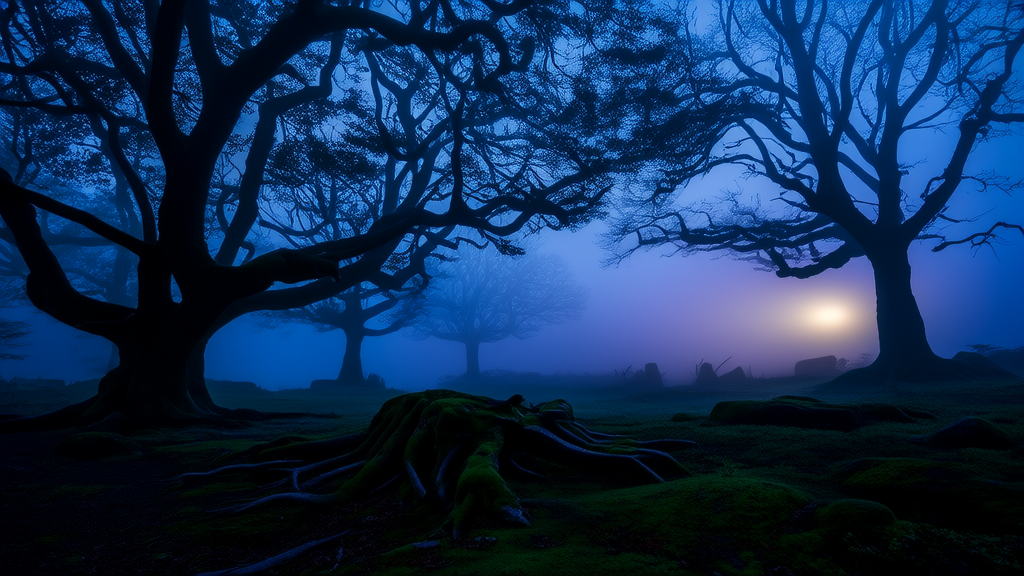
Inspired by the mysterious disappearance of a group of hikers in the Swiss Alps on December 26, 1945, this story weaves elements of supernatural intrigue and uncanny happenstance into a narrative that blurs the line between reality and legend. The real event remains unsolved, with no bodies ever recovered and only a few scattered clues left behind. This story is not a report, but a reflection—a whisper from the past that lingers in the snow-laden air.
The year was 1945, and the world was still reeling from the devastation of war. In the quiet valleys of the Swiss Alps, a small party of hikers set out on what was meant to be a peaceful trek through the snow-covered forests. Among them were a young student, an engineer, and a retired teacher—each drawn to the mountains for different reasons, yet united by the promise of solitude and fresh air. They had planned to return by late afternoon, but as the sun dipped below the jagged peaks, their absence began to raise questions.
The search began at dawn, with local villagers and mountain guides combing the trails, calling out into the cold wind. No sign of them was found, not even footprints in the deep snow. The tracks ended abruptly at the edge of a narrow ravine, where the terrain turned treacherous and the path disappeared into a forest of pine trees. Some claimed they had seen strange lights flickering above the ridge at night, while others swore they heard a distant, mournful whistle echoing through the pines. But these were just stories—stories told over warm coffee in the village taverns, never taken seriously.
Weeks passed, and the search grew more desperate. A local newspaper published a short article about the missing hikers, citing the lack of evidence and the eerie silence of the area. It was noted that the last known location of the group was near a forgotten chapel, long abandoned and overgrown with ivy. Some believed it was a place of ill omen, where travelers had gone mad or vanished without a trace. Others dismissed such ideas as superstition, but the fear remained.
In the months that followed, strange occurrences began to plague the region. A young woman who had been close to one of the hikers reported seeing her shadow moving independently in the mirror, though she could not explain how. An old shepherd claimed he heard the voices of the missing hikers calling out to him from the woods, though he never saw them. And then there were the dreams—night after night, people dreamed of the hikers walking silently through the snow, their faces pale and their eyes hollow.
One night, a group of students from a nearby university decided to investigate the site themselves. They brought flashlights and maps, determined to uncover the truth. As they reached the edge of the ravine, the temperature dropped suddenly, and the wind seemed to carry a low, keening sound. One of the students, a history major named Ms. L, noticed something strange: the snow around the ravine was undisturbed, as if no one had stepped near it in years. She knelt down and brushed away the frost, revealing a faint symbol carved into the ground—a spiral, surrounded by smaller, irregular marks.
They did not stay long. The air felt heavier, the shadows deeper, and when they turned back, they found that the path they had taken was now completely different. What had once been a clear trail was now obscured by thick undergrowth and unfamiliar landmarks. None of them could explain how they had gotten lost, nor why the map they had used no longer matched the terrain.
Years later, a new generation of hikers would arrive in the same area, drawn by the legend of the missing group. Some claimed they saw figures moving through the trees, their faces blurred by the mist. Others reported hearing the same mournful whistle, though none could tell from which direction it came. And every December 26th, the wind would rise, carrying with it a sense of unease that no one could quite name.
The official records remain silent on the matter, and the local authorities have never officially acknowledged the disappearances. Some say the government covered it up, fearing a scandal. Others believe the hikers were never truly lost, but simply... elsewhere. The chapel, now partially collapsed, stands as a silent witness to the events that took place within its walls. Its windows are broken, its doors warped, and its altar cracked, as if something had tried to break free from within.
In the quiet moments between the seasons, when the snow falls softly and the world seems to hold its breath, some claim to hear the echoes of the missing hikers. Their voices are not loud, nor do they beg for help. Instead, they seem to whisper secrets that have long since been buried. Some say the truth lies hidden in the snow, waiting to be uncovered. Others believe it was never meant to be found at all.
And so, the mystery endures. Like the snow that falls each winter, it settles over the land, covering the scars of the past. But beneath the surface, the story lingers—a tale of loss, of silence, of something that cannot be explained. And as the years pass, the question remains: will the next hiker find what the last ones could not? Or will the snow continue to bury the truth, as it always has?
发布于 en
🔗
相关站点
- AI Blog — AI 趋势与技术新闻